Buy blaubeere.eu ?
We are moving the project
blaubeere.eu .
Are you interested in purchasing the domain
blaubeere.eu ?
domain@kv-gmbh.de · 0541-91531010
Buy blaubeere.eu ?
Is fruit a dessert?
Fruit can be considered a dessert depending on how it is prepared and served. When fruit is served on its own, it is often seen as a healthy snack or part of a meal rather than a dessert. However, when fruit is combined with sweet ingredients like sugar, cream, or pastry to create a dish like fruit salad, fruit tart, or fruit crumble, it is commonly considered a dessert. Ultimately, whether fruit is considered a dessert or not depends on how it is presented and consumed. **
What is the difference between resistance and specific resistance?
Resistance is the opposition to the flow of electric current in a material, measured in ohms. It is a property of the material itself. Specific resistance, also known as resistivity, is a material property that quantifies how strongly a material opposes the flow of electric current. It is a characteristic of the material's composition and is used to calculate the resistance of a specific shape and size of material. **

Similar search terms for Resistance
Top-Angebote
Products related to Resistance:
-
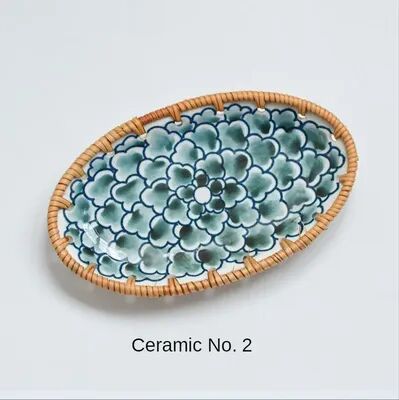
ModernMart Japanese Rattan Woven Ceramic Snack Plate For Fruit, Candy & Dessert Serving 5Bring warmth and style to your table with this beautifully crafted Japanese tableware piece designed for everyday elegance. Combining a ceramic serving plate with a handwoven rattanstyle frame, this tray adds a cozy, artisanal touch to snacks,...109,97 $*Shipping: 0,00 $Secure redirect to the provider
-
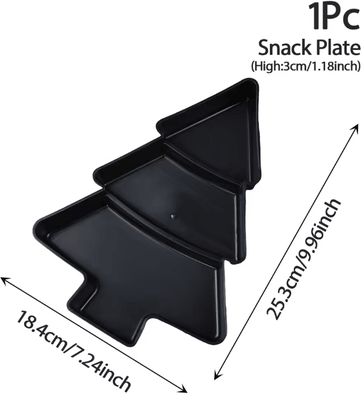
Uplift Curations Christmas Tree Fruit Serving Plate Festive Holiday Snack & Dessert Tray blackMake your holiday table instantly more festive with this charming Christmas tree serving tray. Designed to showcase fruits, snacks, and desserts, this eyecatching Christmas fruit plate turns simple treats into a beautiful centerpiece. Its treeshaped...42,50 $*Shipping: 0,00 $Secure redirect to the provider
-
ModernMart Japanese Rattan Woven Ceramic Snack Plate For Fruit, Candy & Dessert Serving 3Bring warmth and style to your table with this beautifully crafted Japanese tableware piece designed for everyday elegance. Combining a ceramic serving plate with a handwoven rattanstyle frame, this tray adds a cozy, artisanal touch to snacks,...109,97 $*Shipping: 0,00 $Secure redirect to the provider
-
Uplift Curations Christmas Tree Fruit Serving Plate Festive Holiday Snack & Dessert Tray whiteMake your holiday table instantly more festive with this charming Christmas tree serving tray. Designed to showcase fruits, snacks, and desserts, this eyecatching Christmas fruit plate turns simple treats into a beautiful centerpiece. Its treeshaped...42,50 $*Shipping: 0,00 $Secure redirect to the provider



-
What are the tolerances for resistance chains and resistance cubes?
The tolerances for resistance chains and resistance cubes typically vary depending on the manufacturer and the specific product. However, in general, resistance chains and cubes are designed to have tight tolerances to ensure accurate and consistent resistance levels for users. It is common for resistance chains and cubes to have tolerances within a few percentage points to maintain their effectiveness and reliability during workouts. It is recommended to refer to the product specifications provided by the manufacturer for more detailed information on the tolerances of specific resistance chains and cubes. **
-
What is the difference between electrical resistance and specific resistance?
Electrical resistance is the opposition to the flow of electric current in a material, measured in ohms. It is a property of the material itself and is dependent on factors such as the material's dimensions and temperature. Specific resistance, on the other hand, is a material property that quantifies how much a material resists the flow of electric current compared to a standard material. It is also known as resistivity and is measured in ohm-meters. In essence, electrical resistance is the overall resistance of a material, while specific resistance is a more intrinsic property of the material itself. **
-
How do I calculate the resistance with the internal resistance?
To calculate the total resistance with the internal resistance, you can use the formula: R_total = R_internal + R_external, where R_total is the total resistance, R_internal is the internal resistance, and R_external is the external resistance. This formula takes into account the resistance from both the internal and external components of the circuit. By adding the internal and external resistances together, you can determine the total resistance in the circuit. **
-
Is the protective resistance the same as the series resistance?
No, the protective resistance is not the same as the series resistance. The protective resistance is a component used to limit the current in a circuit and protect other components from damage. It is typically used in parallel with the component it is protecting. On the other hand, the series resistance is a component that is connected in series with other components in a circuit, affecting the overall resistance and current flow in the circuit. While both resistances are used to control current, they serve different purposes and are connected in different ways within a circuit. **

What is the difference between insulation resistance and surface resistance?
Insulation resistance measures the resistance to the flow of current through the insulation material between two conductors, while surface resistance measures the resistance to the flow of current across the surface of a material. Insulation resistance is typically used to assess the effectiveness of insulation materials in preventing current leakage, while surface resistance is used to evaluate the cleanliness and conductivity of surfaces in electronic and electrical applications. In summary, insulation resistance measures the resistance through a material, while surface resistance measures the resistance across a material's surface. **
What is the difference between specific resistance and direct current resistance?
Specific resistance, also known as resistivity, is a material property that measures the resistance of a specific material to the flow of electric current. It is expressed in ohm-meter and is a characteristic of the material itself. On the other hand, direct current resistance refers to the resistance of a specific component or device to the flow of direct current. It is measured in ohms and depends on the physical dimensions and material properties of the component. In summary, specific resistance is a material property, while direct current resistance is a property of a specific component or device. **
Top-Angebote
Products related to Resistance:
-
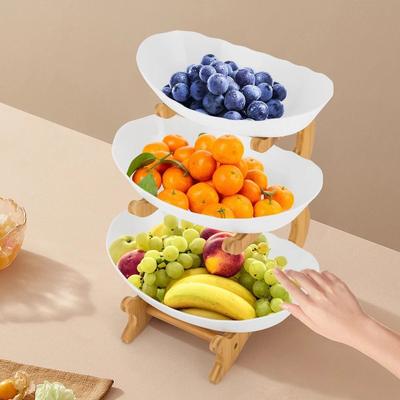
Multicon Wholesale Hub Premium Tier Bamboo Fruit Bowl Stand Elegant Kitchen Countertop Snack & Dessert Organizer Premium Tier Bamboo Fruit Bowl Stand Elegant Kitchen Countertop Snack & Dessert OrganizerTransform your kitchen into a showcase of natural beauty and effortless organization with this bamboo fruit bowl stand, crafted for people who love both style and function. This elegant threelevel display makes it easy to organize snacks, fruits,...103,97 $*Shipping: 0,00 $Secure redirect to the provider
-
Notino Sport Collection Resistance bands resistance band 3 pcNotino Sport Collection Resistance bands, 3 pc, Fitness Equipment for Men, Don't like spending time in crowded gyms or fitness centres? An exercise aid NotinoSport CollectionResistance bands will improve and streamline your home workout. Characteristics: ideal for home training good quality, durable material The set contains: resistance band 42 cm resistance band 38 cm resistance band 33 cm Ingredients: flexible material3,36 £*Shipping: 3,99 £Secure redirect to the provider
-
ModernMart Japanese Rattan Woven Ceramic Snack Plate For Fruit, Candy & Dessert Serving 5Bring warmth and style to your table with this beautifully crafted Japanese tableware piece designed for everyday elegance. Combining a ceramic serving plate with a handwoven rattanstyle frame, this tray adds a cozy, artisanal touch to snacks,...109,97 $*Shipping: 0,00 $Secure redirect to the provider
-
Uplift Curations Christmas Tree Fruit Serving Plate Festive Holiday Snack & Dessert Tray blackMake your holiday table instantly more festive with this charming Christmas tree serving tray. Designed to showcase fruits, snacks, and desserts, this eyecatching Christmas fruit plate turns simple treats into a beautiful centerpiece. Its treeshaped...42,50 $*Shipping: 0,00 $Secure redirect to the provider
-
Is fruit a dessert?
Fruit can be considered a dessert depending on how it is prepared and served. When fruit is served on its own, it is often seen as a healthy snack or part of a meal rather than a dessert. However, when fruit is combined with sweet ingredients like sugar, cream, or pastry to create a dish like fruit salad, fruit tart, or fruit crumble, it is commonly considered a dessert. Ultimately, whether fruit is considered a dessert or not depends on how it is presented and consumed. **
-
What is the difference between resistance and specific resistance?
Resistance is the opposition to the flow of electric current in a material, measured in ohms. It is a property of the material itself. Specific resistance, also known as resistivity, is a material property that quantifies how strongly a material opposes the flow of electric current. It is a characteristic of the material's composition and is used to calculate the resistance of a specific shape and size of material. **
-
What are the tolerances for resistance chains and resistance cubes?
The tolerances for resistance chains and resistance cubes typically vary depending on the manufacturer and the specific product. However, in general, resistance chains and cubes are designed to have tight tolerances to ensure accurate and consistent resistance levels for users. It is common for resistance chains and cubes to have tolerances within a few percentage points to maintain their effectiveness and reliability during workouts. It is recommended to refer to the product specifications provided by the manufacturer for more detailed information on the tolerances of specific resistance chains and cubes. **
-
What is the difference between electrical resistance and specific resistance?
Electrical resistance is the opposition to the flow of electric current in a material, measured in ohms. It is a property of the material itself and is dependent on factors such as the material's dimensions and temperature. Specific resistance, on the other hand, is a material property that quantifies how much a material resists the flow of electric current compared to a standard material. It is also known as resistivity and is measured in ohm-meters. In essence, electrical resistance is the overall resistance of a material, while specific resistance is a more intrinsic property of the material itself. **
Similar search terms for Resistance
-
ModernMart Japanese Rattan Woven Ceramic Snack Plate For Fruit, Candy & Dessert Serving 3Bring warmth and style to your table with this beautifully crafted Japanese tableware piece designed for everyday elegance. Combining a ceramic serving plate with a handwoven rattanstyle frame, this tray adds a cozy, artisanal touch to snacks,...109,97 $*Shipping: 0,00 $Secure redirect to the provider
-
Uplift Curations Christmas Tree Fruit Serving Plate Festive Holiday Snack & Dessert Tray whiteMake your holiday table instantly more festive with this charming Christmas tree serving tray. Designed to showcase fruits, snacks, and desserts, this eyecatching Christmas fruit plate turns simple treats into a beautiful centerpiece. Its treeshaped...42,50 $*Shipping: 0,00 $Secure redirect to the provider
-
ModernMart Japanese Rattan Woven Ceramic Snack Plate For Fruit, Candy & Dessert Serving 2Bring warmth and style to your table with this beautifully crafted Japanese tableware piece designed for everyday elegance. Combining a ceramic serving plate with a handwoven rattanstyle frame, this tray adds a cozy, artisanal touch to snacks,...109,97 $*Shipping: 0,00 $Secure redirect to the provider
-
Uplift Curations Christmas Tree Fruit Serving Plate Festive Holiday Snack & Dessert Tray redMake your holiday table instantly more festive with this charming Christmas tree serving tray. Designed to showcase fruits, snacks, and desserts, this eyecatching Christmas fruit plate turns simple treats into a beautiful centerpiece. Its treeshaped...42,50 $*Shipping: 0,00 $Secure redirect to the provider
-
How do I calculate the resistance with the internal resistance?
To calculate the total resistance with the internal resistance, you can use the formula: R_total = R_internal + R_external, where R_total is the total resistance, R_internal is the internal resistance, and R_external is the external resistance. This formula takes into account the resistance from both the internal and external components of the circuit. By adding the internal and external resistances together, you can determine the total resistance in the circuit. **
-
Is the protective resistance the same as the series resistance?
No, the protective resistance is not the same as the series resistance. The protective resistance is a component used to limit the current in a circuit and protect other components from damage. It is typically used in parallel with the component it is protecting. On the other hand, the series resistance is a component that is connected in series with other components in a circuit, affecting the overall resistance and current flow in the circuit. While both resistances are used to control current, they serve different purposes and are connected in different ways within a circuit. **
-
What is the difference between insulation resistance and surface resistance?
Insulation resistance measures the resistance to the flow of current through the insulation material between two conductors, while surface resistance measures the resistance to the flow of current across the surface of a material. Insulation resistance is typically used to assess the effectiveness of insulation materials in preventing current leakage, while surface resistance is used to evaluate the cleanliness and conductivity of surfaces in electronic and electrical applications. In summary, insulation resistance measures the resistance through a material, while surface resistance measures the resistance across a material's surface. **
-
What is the difference between specific resistance and direct current resistance?
Specific resistance, also known as resistivity, is a material property that measures the resistance of a specific material to the flow of electric current. It is expressed in ohm-meter and is a characteristic of the material itself. On the other hand, direct current resistance refers to the resistance of a specific component or device to the flow of direct current. It is measured in ohms and depends on the physical dimensions and material properties of the component. In summary, specific resistance is a material property, while direct current resistance is a property of a specific component or device. **
* All prices are inclusive of VAT and, if applicable, plus shipping costs. The offer information is based on the details provided by the respective shop and is updated through automated processes. Real-time updates do not occur, so deviations can occur in individual cases. ** Note: Parts of this content were created by AI.